Christian Marriage in Delhi NCR
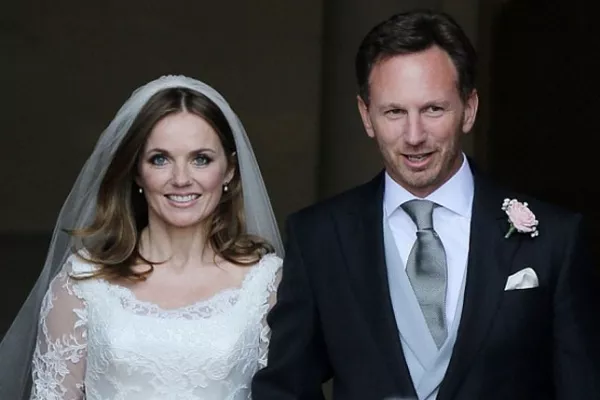
A Christian marriage is both a meaningful religious ceremony and an important legal event. For couples planning a wedding in Delhi NCR, however, the process can involve more than choosing a church and setting a wedding date.
You may need to understand the church ceremony, marriage notice, required documents, witnesses, the marriage certificate, registration requirements and the legal route that applies to your particular circumstances.
The Indian Christian Marriage Act, 1872 provides a statutory framework for marriages of Indian Christians. It contains provisions dealing with who may solemnize marriages, notices, certificates, registers and the conditions applicable to marriages under the Act.
At the same time, Delhi has its own compulsory marriage-registration framework for marriages solemnized within Delhi, irrespective of the religion of the parties.
MarriageNCR helps couples understand these two sides of the process in simple language.
Whether you are planning a Christian marriage in Delhi, Noida, Greater Noida, Ghaziabad, Gurugram, Faridabad or another NCR location, understanding the process beforehand can make your preparations much easier.
What Is a Christian Marriage?
A Christian marriage is a marriage solemnized according to the applicable Christian religious and legal requirements.
The exact ceremony can vary between Christian denominations and churches. A Catholic wedding, for example, may follow different church procedures from those followed by a Protestant or other Christian denomination.
Therefore, couples should first speak with the church or authorized minister who will conduct the ceremony.
The religious ceremony and government documentation should then be considered separately.
This distinction is important because a church marriage certificate, minister’s certificate and government registration record can serve different purposes.
Christian Marriage Under Indian Law
The Indian Christian Marriage Act, 1872 is one of the principal statutes governing Christian marriages in India.
The Act contains provisions dealing with the persons who may solemnize marriages, the time and place of solemnization, notices of intended marriage, certificates and registration.
For Indian Christians, Section 60 sets out conditions under which a marriage may be certified under Part VI of the Act.
Among those conditions, the man must be at least 21 years old, the woman must be at least 18 years old, and neither person should have a living spouse. The Act also specifies the required declarations in the presence of a person licensed under the Act and at least two credible witnesses.
The exact route can depend on how and where the marriage is solemnized.
Therefore, couples should confirm the procedure with the relevant church authority and marriage-registration authority rather than relying on a generic checklist.
Christian Wedding Ceremony
A Christian wedding ceremony normally takes place in a church or another location permitted under the applicable religious and legal framework.
The ceremony can include elements such as:
- Opening prayers
- Scripture readings
- Hymns
- Marriage declarations
- Exchange of rings
- Wedding vows
- Blessing of the couple
- Signing of marriage documents
The exact order and requirements depend on the denomination and church.
Some churches also require the couple to complete pre-marriage meetings, provide baptismal records or submit other church documents before confirming the wedding date.
For this reason, couples should contact their church well before the proposed wedding date.
Church Requirements Can Differ
One of the biggest mistakes couples make is assuming that every Christian church follows exactly the same procedure.
It does not.
Different denominations and individual churches may have their own requirements concerning:
- Baptism certificates
- Confirmation records
- Church membership
- Pre-marriage counselling
- Marriage banns or notice
- Identity documents
- Previous marriage records
- Permission from church authorities
- Witnesses
- Wedding dates and timings
Therefore, the first practical step should be to ask the church for its current marriage checklist.
MarriageNCR can explain the general administrative process, but the church determines its own religious and institutional requirements.
Who Can Conduct a Christian Marriage?
The Indian Christian Marriage Act contains provisions identifying the persons by whom marriages may be solemnized and the licensing framework for those authorized to solemnize marriages.
This matters because couples should not assume that any person conducting a religious ceremony automatically has authority under the applicable marriage law.
Before fixing the ceremony, confirm that the minister or other person conducting the marriage is authorized under the applicable legal framework.
Notice of Christian Marriage
The Indian Christian Marriage Act contains provisions concerning notice of intended marriage.
Part III of the Act deals with marriages solemnized by ministers of religion licensed under the Act and includes provisions concerning notice, publication and certificates.
The exact procedure depends on the circumstances and the applicable provisions.
Therefore, couples should ask the authorized church minister or relevant Marriage Registrar what notice requirements apply to their marriage.
Do not assume that every Christian wedding follows the same notice procedure.
Christian Marriage Registration in Delhi
Delhi has a separate compulsory-registration framework.
The Delhi (Compulsory Registration of Marriage) Order, 2014 applies to marriages solemnized in Delhi irrespective of caste, creed or religion. It provides that qualifying marriages solemnized in Delhi are compulsorily registrable.
Delhi’s official guidance states that, under this framework, one party must be an Indian citizen, the groom must be 21 and the bride 18 on the date of marriage, and the marriage must have been solemnized within the territorial jurisdiction of NCT Delhi.
The Delhi guidance also states that registration under the compulsory-registration order should generally take place within 60 days, excluding the day of the final marriage ceremony, with provisions for penalties where registration is delayed.
Therefore, a Christian couple marrying in Delhi should understand both the church process and the Delhi registration requirements.
Is a Church Marriage Certificate Enough?
This is an important question.
A church may issue a certificate or other document confirming that the marriage took place.
However, couples should understand exactly what document they have and what purpose it serves.
The Indian Christian Marriage Act contains its own provisions for marriage certificates and registration, while Delhi separately operates a compulsory-registration framework.
Therefore, do not assume that every church-issued certificate automatically serves as the same document as a government marriage-registration certificate.
Ask the relevant authority which registration record you need for your particular circumstances.
Documents for Christian Marriage
The documents required for the church ceremony can differ from those required for government registration.
Documents commonly requested by churches
Depending on the denomination and church, you may be asked for:
- Identity proof
- Address proof
- Passport-size photographs
- Baptism certificate
- Confirmation certificate, where applicable
- Church membership information
- Documents relating to previous marriage, if applicable
- Other documents prescribed by the church
The church should provide the current checklist.
Documents for Delhi marriage registration
Delhi government guidance lists documents such as:
- Identity proof
- Residence proof
- Date-of-birth proof
- Passport-size photographs
- Marriage-related evidence
- Affidavits in the prescribed format
- Documents relating to witnesses
- Certificate from the religious authority where the marriage was solemnized
The official Delhi guidance specifically refers to a certificate from the priest, Pandit, Maulvi or Gurdwara Prabandhak, as applicable, when a marriage is solemnized at a religious place.
Additional documentation can apply where one party is divorced, widowed or a foreign national.
Witnesses for Christian Marriage
Witnesses can play an important role in the Christian marriage ceremony and registration process.
The Indian Christian Marriage Act’s Section 60, for example, requires the prescribed declarations to take place in the presence of the authorized person and at least two credible witnesses for marriages certified under that provision.
Delhi’s compulsory registration guidance also requires the bride and groom to appear with two witnesses who meet the stated requirements.
Because witness requirements can depend on the legal route, confirm the current requirements before the appointment.
Christian Marriage Registration Process in Delhi
The practical process can be organized into several stages.
Step 1: Contact the church
Start by contacting the church where you want to marry.
Ask about:
- Available wedding dates
- Church eligibility
- Required documents
- Pre-marriage requirements
- Notice or banns
- Witness requirements
- Marriage certificate
Step 2: Complete church formalities
Provide the documents requested by the church and complete any required meetings or religious preparation.
Do this well before the wedding date.
Step 3: Plan the wedding ceremony
Once the church confirms the arrangements, finalize the ceremony details.
Keep copies of important documents.
Step 4: Complete the Christian marriage ceremony
The authorized minister conducts the ceremony according to the applicable Christian tradition and legal requirements.
Step 5: Collect marriage documentation
After the ceremony, keep the church certificate and other marriage records safely.
Step 6: Check Delhi registration requirements
If the marriage was solemnized in Delhi, check the applicable compulsory-registration requirements.
Step 7: Prepare the registration application
Collect the required identity, residence, age and marriage-related documents.
Step 8: Attend the appointment
Delhi’s official guidance requires the bride and groom to appear personally with the applicable witnesses.
Step 9: Complete verification
The concerned authority verifies the documents and information submitted by the couple.
Step 10: Obtain the applicable registration certificate
After completion of the applicable process, keep the official marriage certificate securely.
Christian Marriage in Noida and Greater Noida
Noida and Greater Noida are in Uttar Pradesh rather than Delhi.
Therefore, a couple planning a Christian marriage in Noida should not automatically follow Delhi’s registration procedure.
The applicable authority and process can depend on where the marriage is solemnized and the circumstances of the couple.
Before applying, verify the current Uttar Pradesh requirements.
MarriageNCR can provide location-specific information, but the final procedure should always be confirmed with the relevant authority.
Christian Marriage in Ghaziabad
Ghaziabad also falls within Uttar Pradesh.
Christian couples planning a church wedding in Ghaziabad should therefore check the applicable local registration authority.
If one partner lives in Delhi and the other lives in Ghaziabad, determine the appropriate jurisdiction before preparing the application.
This can prevent unnecessary document corrections later.
Christian Marriage in Gurugram
Gurugram falls within Haryana.
Consequently, couples planning a Christian marriage in Gurugram should check the applicable Haryana marriage-registration process rather than assuming that Delhi’s procedure applies.
The same principle applies when the couple lives in one state but plans the wedding in another.
Christian Marriage in Faridabad
Faridabad also falls within Haryana.
Couples should therefore confirm the appropriate local authority and current registration requirements before submitting their documents.
Christian Marriage Between Different Denominations
Christian couples can come from different denominations.
For example, one person may belong to a Catholic church while the other belongs to a Protestant denomination.
The legal position and the church’s own requirements can involve different considerations.
A church may have specific rules concerning whether and how it conducts a marriage between members of different denominations.
Therefore, discuss the matter directly with the churches involved before fixing the wedding date.
Do not assume that one church’s requirements automatically apply to another.
Interfaith Christian Marriage
An interfaith marriage requires particular attention.
If one party belongs to another religion, the couple should identify the appropriate legal route before finalizing the ceremony.
Delhi’s official guidance separately identifies registration under the Special Marriage Act for marriages between persons of different religions. It sets out different eligibility, residence and witness requirements for that route.
Therefore, an interfaith couple should not assume that a standard Christian marriage-registration process will automatically apply.
Discuss the intended ceremony with the church and verify the legal registration route with the appropriate authority.
Christian Marriage With a Foreign National
A foreign-national partner can require additional documentation.
Delhi’s marriage-registration guidance states that a certificate from the concerned embassy regarding the foreign national’s present marital status may be required.
Other immigration or nationality-related requirements may also become relevant.
Therefore, couples involving a foreign national should check the current requirements before arranging the ceremony.
Christian Marriage After a Previous Marriage
A previous marriage can affect the documents and legal route available to a couple.
Delhi’s official registration guidance refers to an attested copy of a divorce decree or order where a party is divorced and a death certificate where a party is a widow or widower.
The church may also have its own requirements before conducting another marriage ceremony.
Therefore, disclose relevant previous-marriage information to both the church and the appropriate registration authority.
If your situation involves a disputed divorce, previous marriage or another complicated family-law issue, obtain advice from a qualified lawyer.
Common Mistakes to Avoid
Booking the church before checking its requirements
Different churches can have different procedures.
Check the requirements before finalizing the date.
Assuming every Christian church follows the same process
Denominations and individual churches can have different rules.
Always confirm directly with the church.
Treating the church certificate as the only document needed
Understand the difference between religious documentation and government registration.
Ignoring witnesses
Confirm who can act as a witness and which identification documents they need.
Using the wrong registration jurisdiction
Delhi, Uttar Pradesh and Haryana have different administrative systems.
Confirm the correct authority before submitting your application.
Waiting until after the wedding to organize paperwork
Collect your documents early.
This gives you time to correct missing information before the appointment.
Relying on old information
Marriage procedures and administrative requirements can change.
Verify the current requirements before applying.
Why MarriageNCR?
A wedding should not become complicated because the paperwork was unclear.
MarriageNCR brings practical marriage information together for couples across Delhi NCR.
Our Christian marriage information covers:
- Christian wedding planning
- Church marriage requirements
- Indian Christian Marriage Act information
- Marriage registration
- Marriage documents
- Witness requirements
- Delhi marriage registration
- Noida marriage information
- Ghaziabad marriage information
- Gurugram marriage information
- Faridabad marriage information
- Interfaith marriage considerations
- Marriage certificate information
We focus on explaining the process in straightforward language.
MarriageNCR does not replace the church, government authority or a qualified lawyer.
Instead, we help couples understand the questions they should ask and the documents they may need to prepare.
Frequently Asked Questions About Christian Marriage
What law governs Christian marriage in India?
The Indian Christian Marriage Act, 1872 provides a statutory framework for Christian marriages and contains provisions concerning solemnization, notices, certificates and registration.
What is the minimum age for a Christian marriage?
Section 60 of the Indian Christian Marriage Act states that, for marriages certified under that provision, the man must be at least 21 and the woman at least 18.
Can Christians get married in a church?
Yes, subject to the requirements of the church and the applicable legal framework. The exact church procedure depends on the denomination and individual church.
Are witnesses required for a Christian marriage?
Yes, witnesses can be part of the legal and religious process. Section 60 of the Indian Christian Marriage Act requires at least two credible witnesses for marriages certified under that provision.
Is a church marriage certificate the same as a government marriage certificate?
Not necessarily. The documents can serve different purposes. Couples should confirm which registration document applies to their circumstances.
Does Delhi require Christian marriages to be registered?
Delhi’s compulsory-registration order applies to qualifying marriages solemnized in Delhi irrespective of religion.
Can an interfaith couple have a Christian wedding?
The religious and legal requirements depend on the circumstances. Delhi’s official guidance identifies the Special Marriage Act as a route for marriages between persons of different religions.
Can a Christian marry a foreign national?
A marriage involving a foreign national can be possible, but additional documentation may apply. Delhi’s official guidance refers to an embassy certificate concerning the foreign national’s present marital status.
Can a divorced person have a Christian marriage?
A divorced person may need to provide the relevant divorce documentation, and the church may have additional requirements. Delhi’s registration guidance specifically refers to a divorce decree or order where applicable.
Does MarriageNCR guarantee marriage registration?
No. MarriageNCR provides information and assistance but cannot guarantee approval or a particular government outcome.
The relevant authority makes the final decision based on the applicable law, documents and verification.
Plan Your Christian Marriage With Clear Information
A Christian wedding brings together faith, family and tradition. The legal paperwork deserves the same level of preparation.
Start by speaking with your church. Understand its requirements, collect the necessary documents and confirm the wedding procedure. Then separately check the applicable marriage-registration requirements for the location where your marriage will take place.
If you are planning a Christian marriage in Delhi, Noida, Greater Noida, Ghaziabad, Gurugram, Faridabad or another Delhi NCR location, use MarriageNCR to understand the process before you begin.
MarriageNCR — Clear marriage information and assistance across Delhi NCR.
Disclaimer: MarriageNCR is an independent information and assistance platform. It is not affiliated with any government department, court, church, denomination, religious authority or statutory body. Marriage laws, registration procedures, documents, fees and administrative requirements may change. Always verify current requirements with the relevant government authority and church. For individual legal questions, consult a qualified legal professional.